
Professional Mould Removal Dublin — Black Mould Treatment Specialists
Suffering from black mould, damp walls or persistent mould growth? Our certified mould removal specialists in Dublin provide safe, effective and long-lasting mould remediation for homes and businesses across Ireland.
Certified Specialists
Fully trained & insured
All Dublin Areas
Fast response times
15+ Years Experience
Thousands of homes treated
What Causes Mould in Dublin Homes?
Mould doesn't appear by accident. Understanding the root cause is essential to permanent removal. Here are the most common causes we encounter across Dublin properties.
Poor Ventilation
Inadequate airflow traps moisture indoors, creating the perfect breeding ground for mould spores to settle and grow on walls, ceilings and floors.
Rising Damp
Groundwater travels upward through walls and floors in older Dublin properties, saturating building materials and causing persistent mould growth at low levels.
Condensation
Ireland's cold, wet climate means warm indoor air frequently meets cold surfaces, producing condensation that feeds mould — especially in bedrooms and bathrooms.
Leaking Pipes & Roofs
Hidden leaks behind walls or under floors introduce sustained moisture that goes undetected for months, allowing mould colonies to spread deep into building materials.
Structural Defects
Cracks in external walls, failed pointing or damaged guttering allow rainwater to penetrate, causing damp patches that quickly develop into mould problems.
Thermal Bridging
Cold spots in poorly insulated walls and corners attract condensation, making these areas chronically damp and highly susceptible to black mould growth.
Health Risks of Black Mould Exposure
Black mould is not just unsightly — it poses serious health risks to everyone in your home. The longer mould is left untreated, the greater the danger to your family's health.
Respiratory Problems
Mould spores irritate the airways, triggering asthma attacks, chronic coughing, wheezing and shortness of breath — particularly dangerous for children and the elderly.
Allergic Reactions
Exposure to black mould causes sneezing, runny nose, red eyes and skin rashes. Prolonged exposure can develop into serious long-term allergies.
Immune System Suppression
Mycotoxins released by black mould (Stachybotrys) can suppress the immune system, making occupants more vulnerable to infections and illness.
Neurological Effects
Long-term exposure to toxic mould has been linked to headaches, memory problems, difficulty concentrating and fatigue — often dismissed as unrelated symptoms.
Eye & Skin Irritation
Mould spores cause persistent eye irritation, watery eyes and skin conditions including eczema flare-ups and dermatitis in sensitive individuals.
Danger to Children
Children are especially vulnerable to mould exposure. Studies link damp, mouldy homes to increased rates of childhood asthma and developmental issues.
Don't Wait — Mould Spreads Fast
Mould colonies can double in size within 24–48 hours under the right conditions. Early professional treatment is always safer and more cost-effective than delayed action.
Signs You Have a Mould Problem
Mould isn't always visible. Many Dublin homeowners live with mould for months without realising it. Here are the key warning signs that you need professional mould removal.
Visible Black or Green Patches
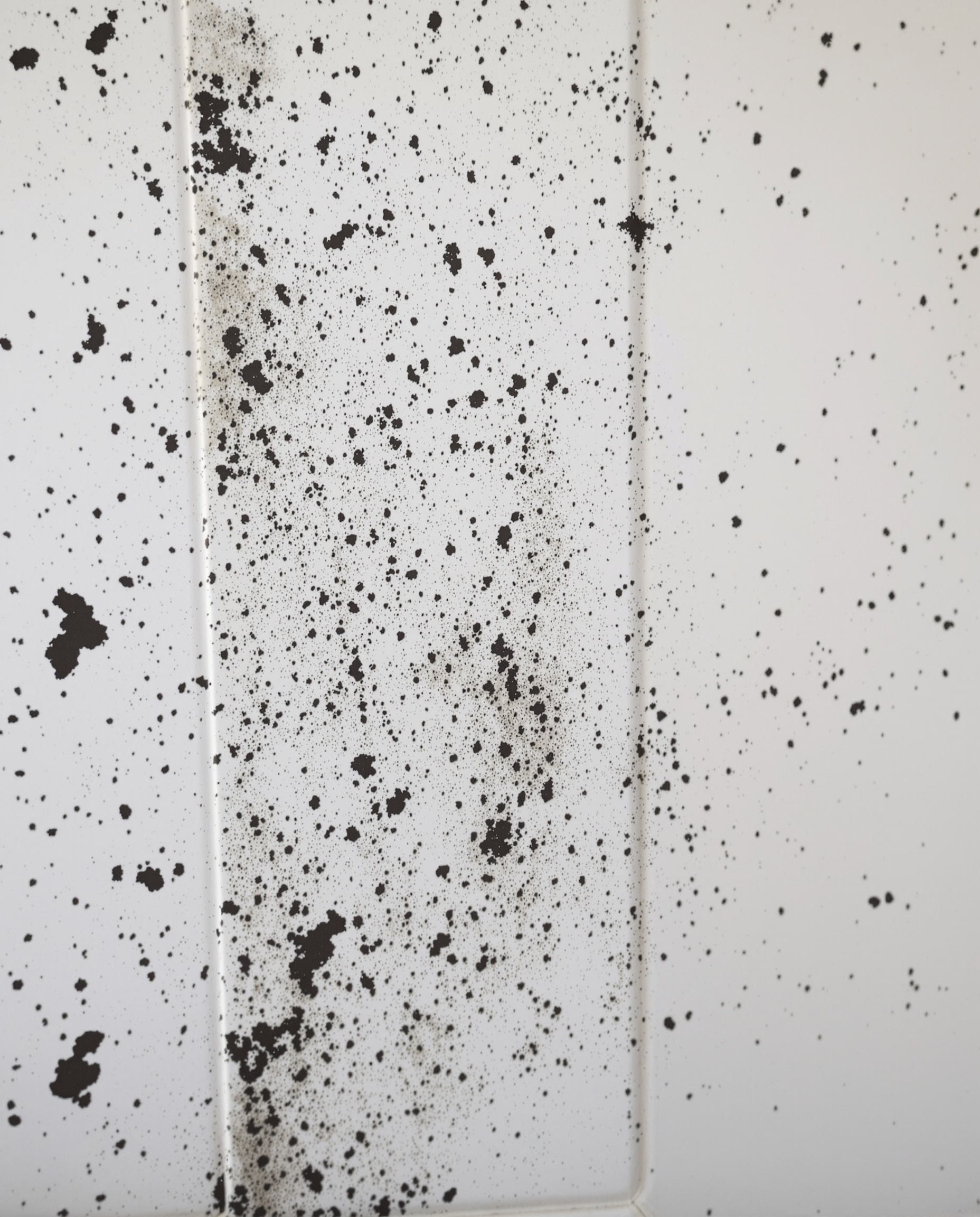
Dark spots appearing on walls, ceilings, around windows or in corners — especially in bathrooms, kitchens and bedrooms.
Musty or Damp Smell
A persistent earthy, musty odour in rooms even after cleaning is a strong indicator of hidden mould growth behind walls or under floors.
Condensation on Windows
Regular condensation forming on windows and cold surfaces signals excess moisture in the air — the primary fuel for mould growth.
Peeling Paint or Wallpaper
Bubbling, cracking or peeling paint and wallpaper indicates moisture trapped behind surfaces, often accompanied by mould underneath.
Worsening Allergy Symptoms
If household members experience increased sneezing, coughing or breathing difficulties at home, mould spores in the air may be the cause.
Damp or Wet Walls
Walls that feel cold, wet or soft to the touch indicate moisture penetration — a direct precursor to mould colonisation.
72hrs
Average response time
Professional Mould Removal Process
Our 8-step mould remediation process is designed to permanently eliminate mould and address the underlying causes — not just mask the problem.
Initial Mould Survey
Our certified specialist visits your property to assess the extent of mould growth, identify moisture sources and determine the type of mould present using professional detection equipment.
Detailed Report & Quote
We provide a written report outlining our findings, the recommended treatment plan and a transparent fixed-price quote — no hidden charges, no surprises.
Containment & Protection
Before treatment begins, we seal off affected areas to prevent mould spores spreading to other parts of your home. All furniture and belongings are protected.
Mould Removal & Remediation
Using professional-grade biocidal treatments and HEPA-filtered equipment, we safely remove all mould colonies from surfaces, cavities and building materials.
Anti-Mould Treatment
Treated surfaces are coated with long-lasting anti-fungal solutions that kill remaining spores and create a protective barrier against future mould regrowth.
Surface Restoration
Where necessary, we restore affected surfaces — replastering, repainting with mould-resistant paint and replacing damaged materials to leave your home looking pristine.
Ventilation Improvement
We address the root cause by recommending or installing improved ventilation solutions to control moisture levels and prevent mould from returning.
Final Inspection & Guarantee
A thorough post-treatment inspection confirms all mould has been eliminated. We provide a written guarantee and aftercare advice to keep your home mould-free.
98%
Success rate
How to Prevent Mould Returning
Mould removal is only half the battle. Without addressing the root causes, mould will return. Here are the most effective prevention strategies our experts recommend for Dublin homes.
Improve Ventilation
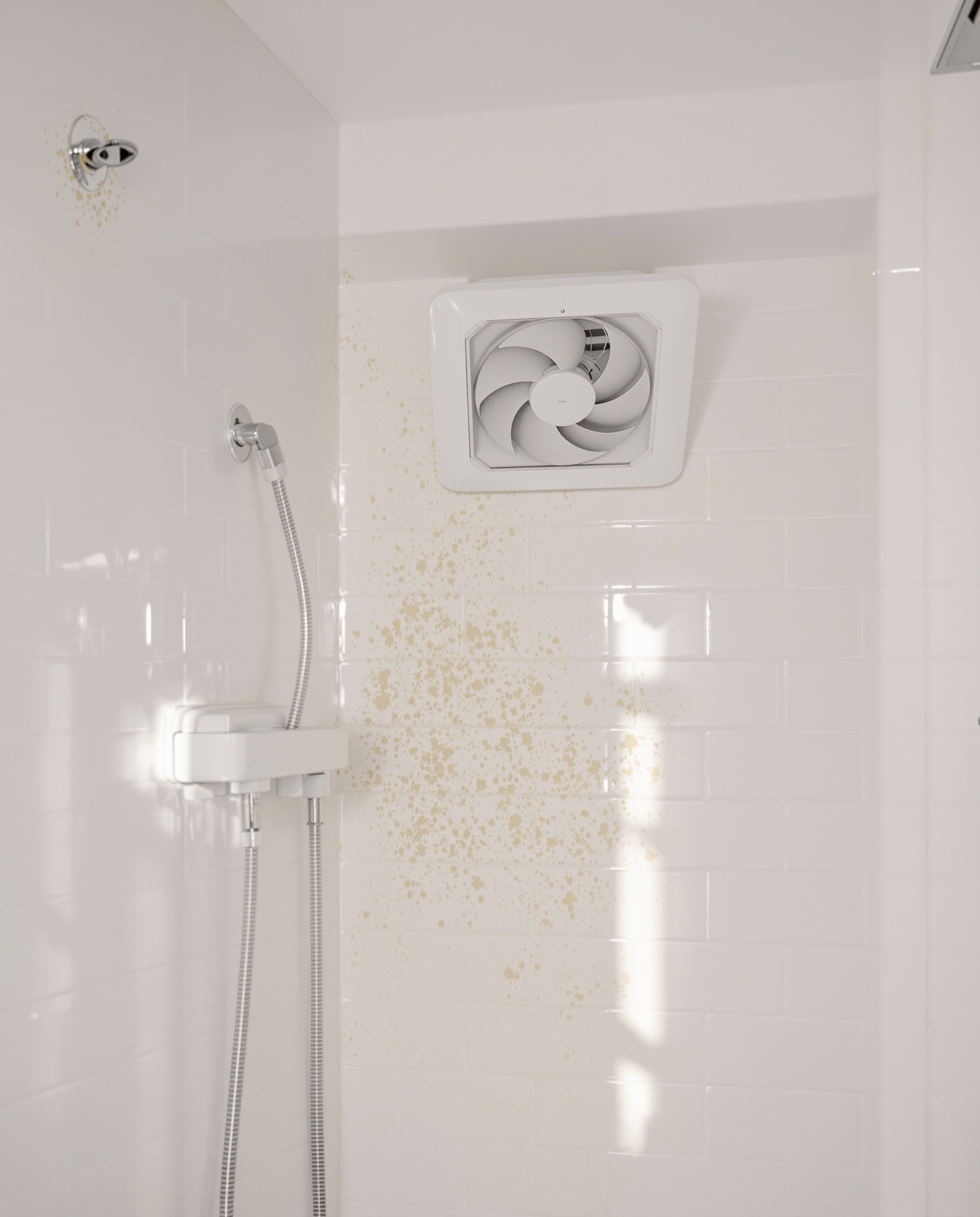
Install proper ventilation systems in bathrooms, kitchens and utility rooms. Good airflow removes moisture before it can settle on surfaces.
Control Indoor Temperature
Keep your home consistently heated — cold surfaces attract condensation. Avoid large temperature swings between rooms.
Use a Dehumidifier
In high-moisture areas, a dehumidifier helps maintain indoor humidity below 60% — the threshold above which mould thrives.
Apply Mould-Resistant Paint
Use anti-mould paint in bathrooms, kitchens and bedrooms. These specialist coatings contain fungicides that inhibit mould growth on surfaces.
Fix Leaks Promptly
Address any roof leaks, plumbing drips or damp penetration immediately. Even small leaks create the moisture conditions mould needs to grow.
Insulate Cold Surfaces
Insulating walls, pipes and windows reduces cold spots where condensation forms, significantly lowering the risk of mould development.
Mould Removal — Frequently Asked Questions
Everything you need to know about professional mould removal in Dublin.
Ready to Remove Mould From Your Dublin Home?
Don't let mould damage your health or your property. Our certified specialists are ready to survey your home, identify the problem and provide a permanent solution — backed by a written guarantee.